
Giving Aerospace Electronics a Future in the Skies as Ontic Invests in Repair Not Replace
When a replacement circuit board assembly (CCA) is no longer available, the consequences can reach far beyond the failed component. An assembly may become difficult to support, repair options narrow, and operators face growing uncertainty over how long equipment can remain in service.
Ontic MRO’s new Circuit Card Assembly Repair Lab in Miramar, Florida, demonstrates how investment in electronic repair capability can change that outlook. The lab focuses on boards that can no longer be procured, including complex electronics where conventional repair or replacement routes have become difficult to access. Its engineers have already repaired boards that were otherwise unavailable, establishing an approach that could be applied across hundreds of other PCBs.
For ABI Electronics, this is a welcome example of an organisation investing in the practical capability needed to extend equipment life. We are proud that Ontic’s announcement explicitly recognises ABI Electronics’ BoardMaster, training with our team, and the Repair Don’t Waste movement as part of this development. BoardMaster helps engineers investigate faults at component level using powered and unpowered testing. Capturing diagnostic procedures and results also helps teams retain knowledge, build repeatable workflows and make better use of previous investigations.
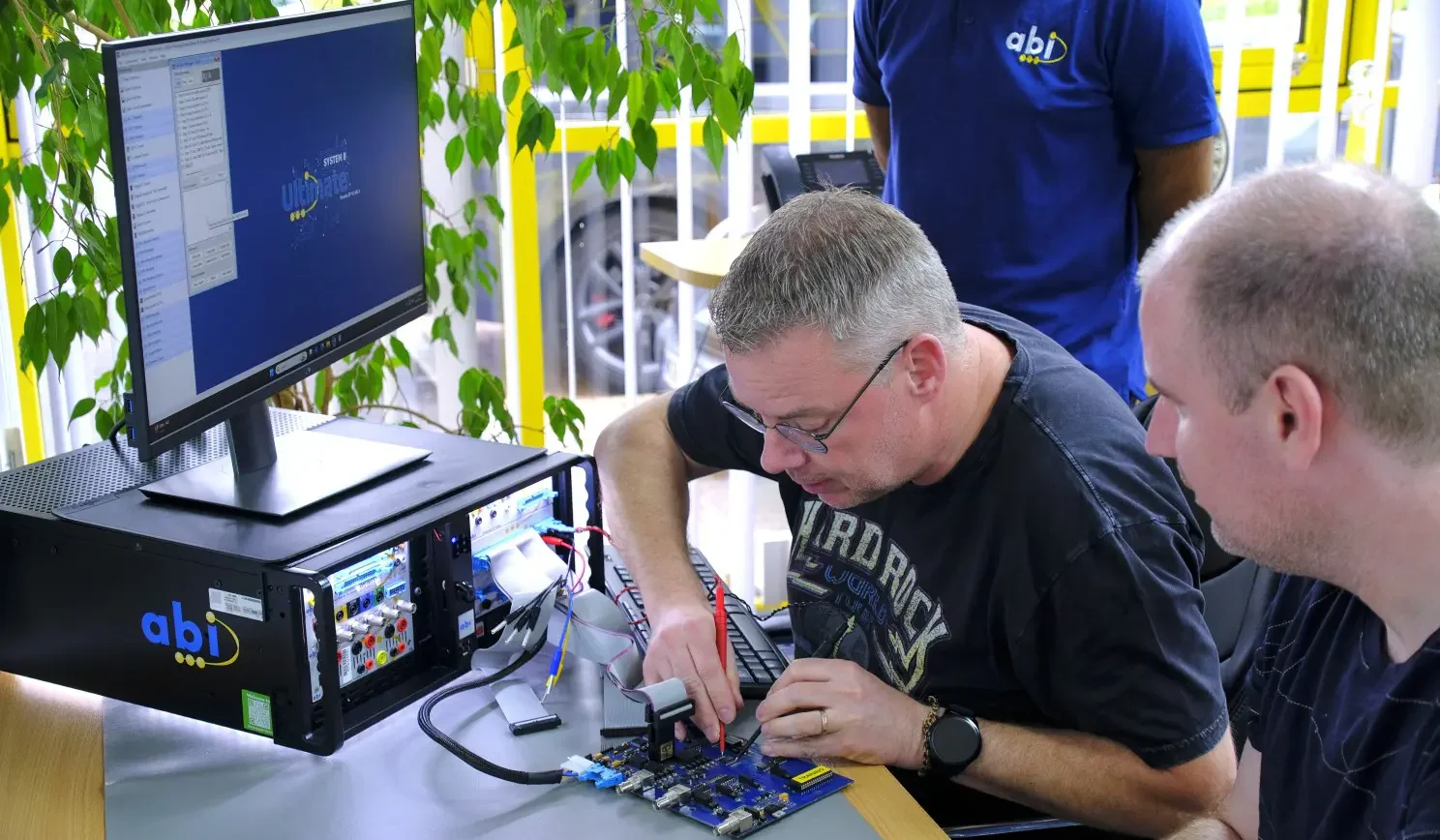
That knowledge matters when supporting electronics designed years or decades ago. Every successful investigation can improve understanding of a product, inform future troubleshooting and strengthen the organisation’s ability to maintain it.
Ontic’s investment also illustrates how equipment, people and process work together. The Miramar lab combines diagnostic and reverse engineering tools with specialist rework equipment and experienced avionics engineers and technicians. Repairs follow a controlled sequence of fault investigation, component rework and functional verification before return to service.
This exciting announcement is relevant to any organisation managing ageing electronic assets. Before a board is condemned or a replacement programme becomes the default response, there is value in understanding the failure and evaluating whether a technically sound repair route exists.
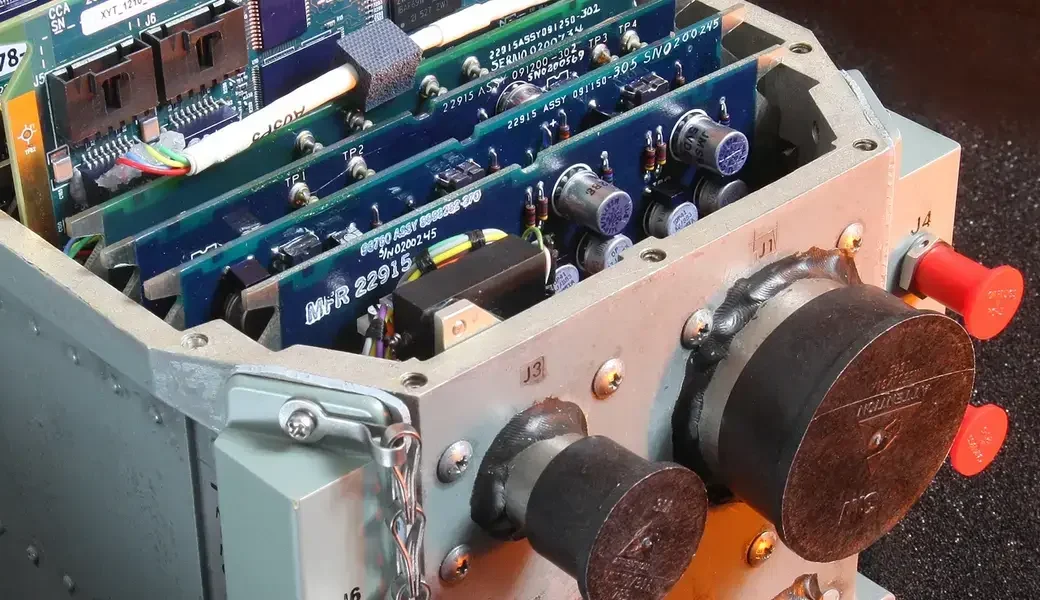
Successful repair can preserve the value already invested in equipment, reduce electronic waste and provide additional options for managing obsolescence. Building that capability also gives engineers a stronger foundation for future sustainment decisions. These are the principles behind ABI’s Repair Don’t Waste: develop the skills, capture the knowledge and invest in the technology needed to keep electronics in service.
Congratulations to the Ontic MRO team on this development. We look forward to seeing their capability grow and supporting their engineers as they explore further applications. ABI Electronics will be at MRO Europe this year, and we would welcome the opportunity to meet organisations facing similar challenges. If you are reviewing electronic repair capability, dealing with difficult-to-source circuit boards or looking to strengthen long-term product support, please contact us to schedule a meeting.