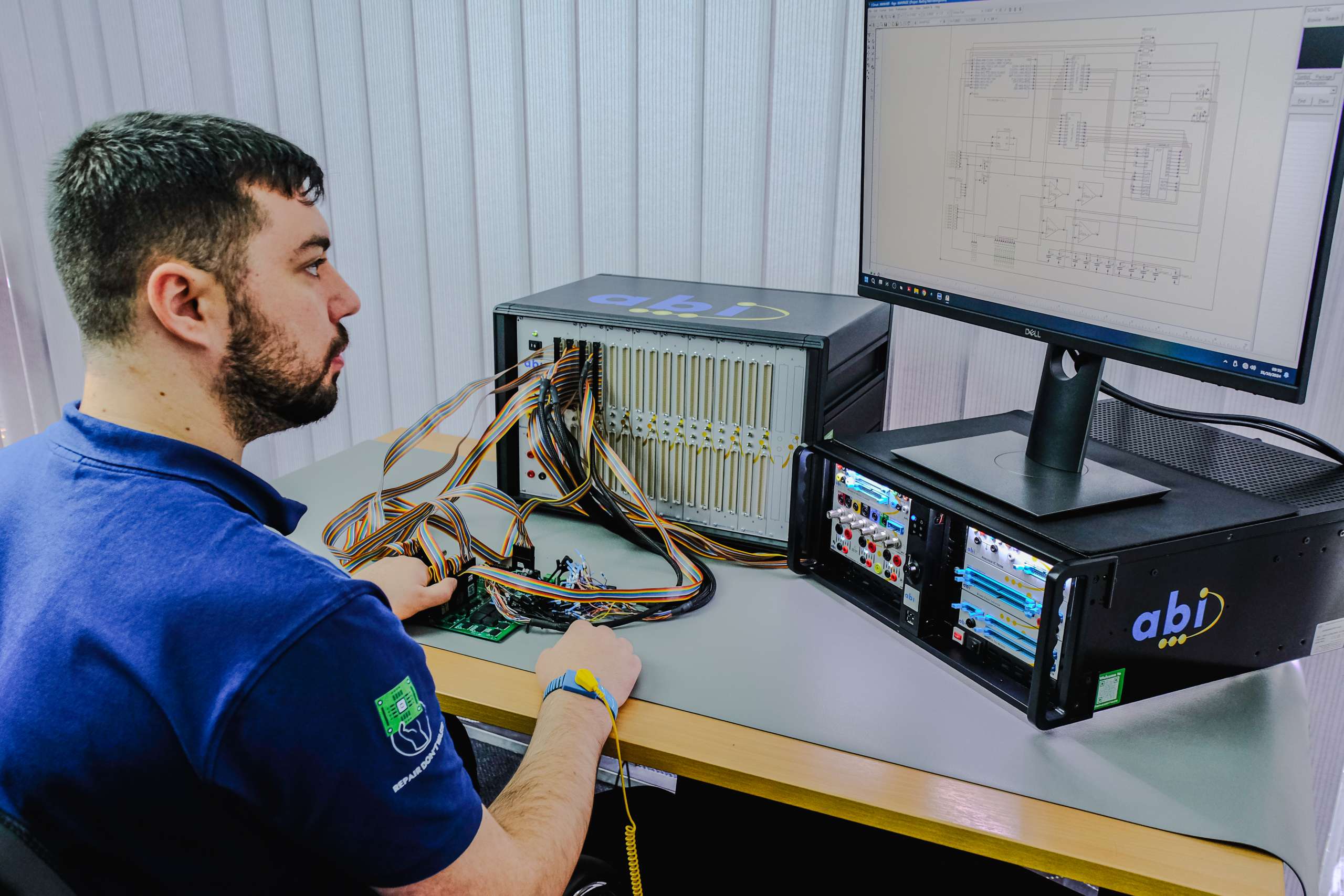
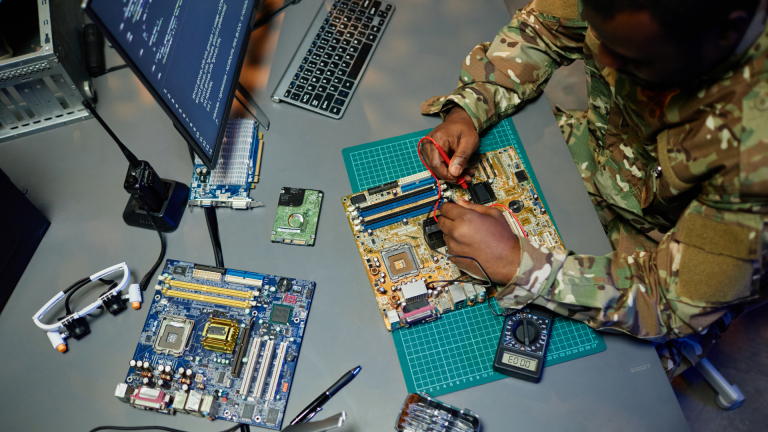
One of the most progressive aspects of the ABI/MoD partnership is the contribution to electronic degradation analysis. While mechanical and energetic degradation models have long been understood, electronic degradation has historically been treated reactively by all countries. Through structured diagnostics and performance analytics, Deca is now moving towards more evidence-based modelling of component performance drift and ageing.
By combining historical design data, proxy degradation information, and real-time testing, programme managers can predict emerging failure points before they impact missions. Using the BoardMaster, engineers can identify underperforming components early, enabling preventive repair strategies rather than emergency interventions. This shift from reactive replacement to predictive electronic maintenance techniques is helping extend platform life beyond original design assumptions, providing options to costly “new buy” programmes, and strengthening long-term fleet readiness.
Dr Matt Darkin, Senior Specialist Fellow for Obsolescence at the UK MoD NAD, commented:
“The introduction of ABI’s BoardMaster and RevEng platforms within Defence Equipment & Support and Deca has fundamentally strengthened our approach to electronic obsolescence management. By enabling structured, component-level diagnostics and reverse engineering in-house, we have recovered high-value assets that would otherwise have been subject to costly redesign due to obsolescence or external repair routes. The scale of savings achieved across multiple programmes runs into the millions of pounds, but equally important is the preservation of technical knowledge and the protection of operational availability. This partnership has been instrumental in helping us extend platform life, improve sustainment resilience, and deliver measurable value to MoD.”