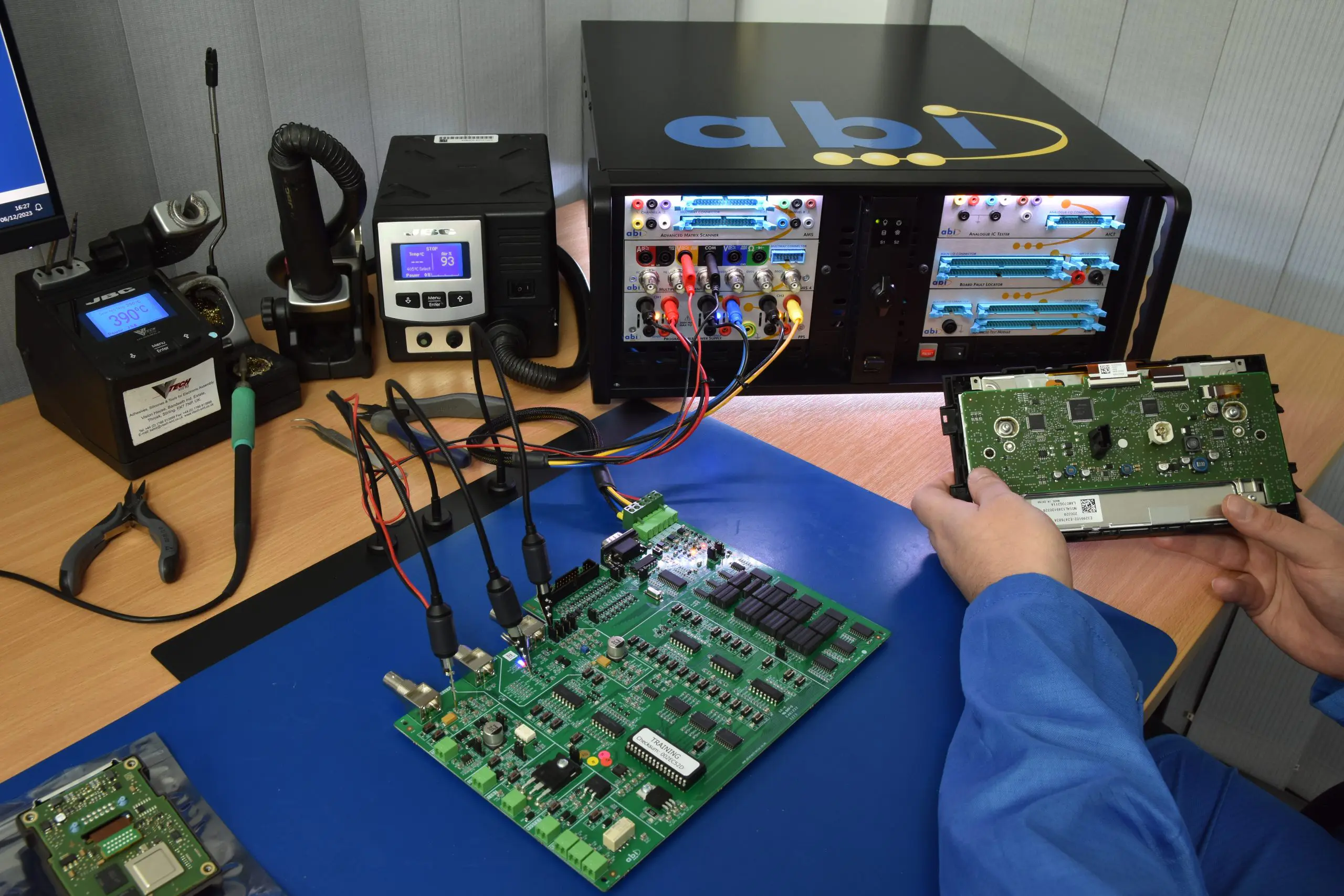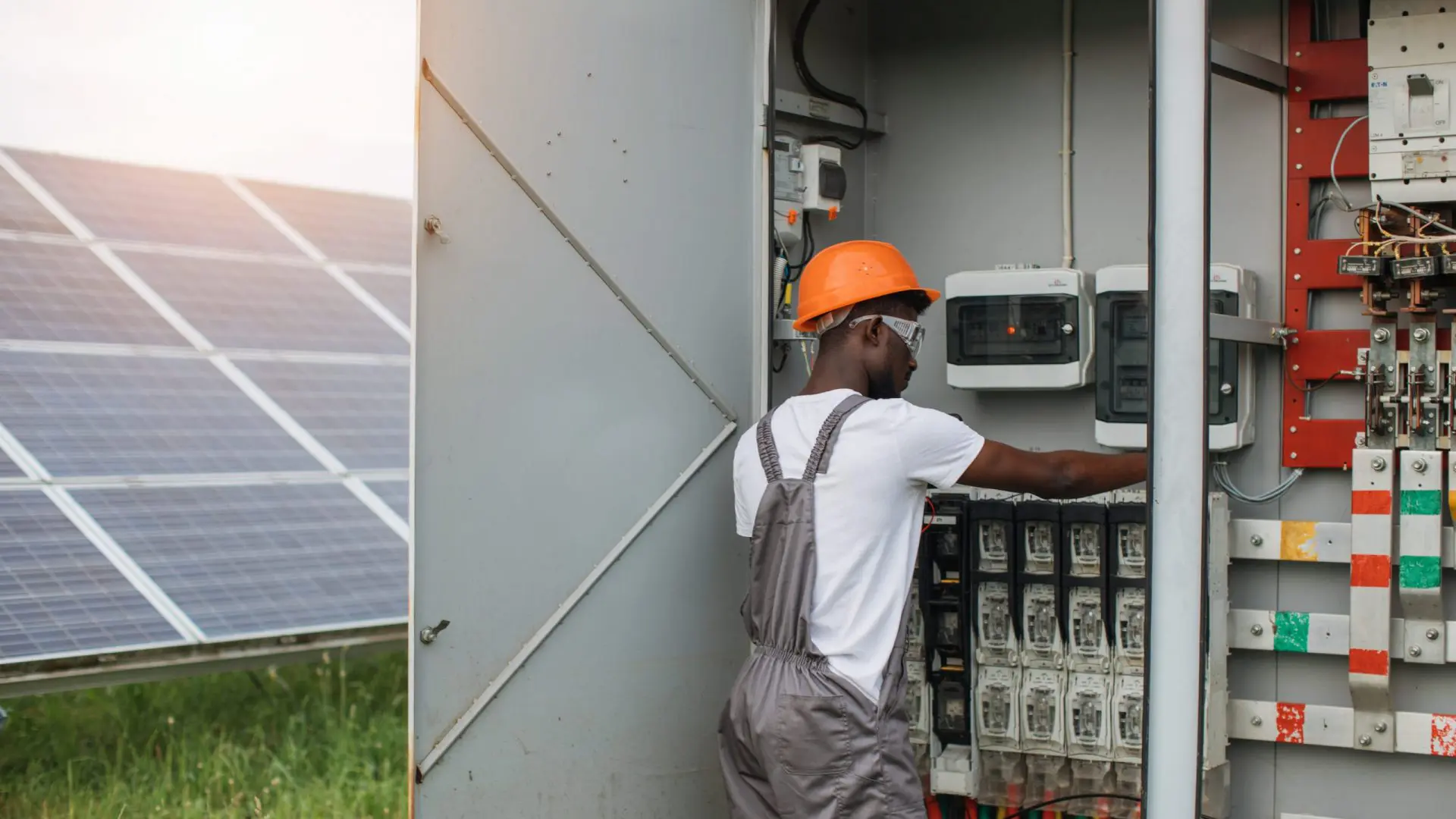
The world is transitioning its energy sources from fossil fuels to more renewable sources: wind, solar, hydro and biomass. On the surface, this seems like a highly advantageous and environmentally friendly move on the part of governments and energy companies, but significant challenges accompany a shift from fossil-fuel-based power grids to sustainable, decentralized systems. While the benefits of renewable energy sources are well established, such a transition will require substantial investment in infrastructure, materials, and technology. One often overlooked yet crucial aspect of this transition is the role of electronic repair and maintenance in ensuring long-term efficiency, cost-effectiveness, and reduced waste. Without adequate planning and support for electronic sustainability, this energy transformation could lead to increased waste, supply chain disruptions, and rising costs, undermining the benefits and leading to an environmental and economic disaster!
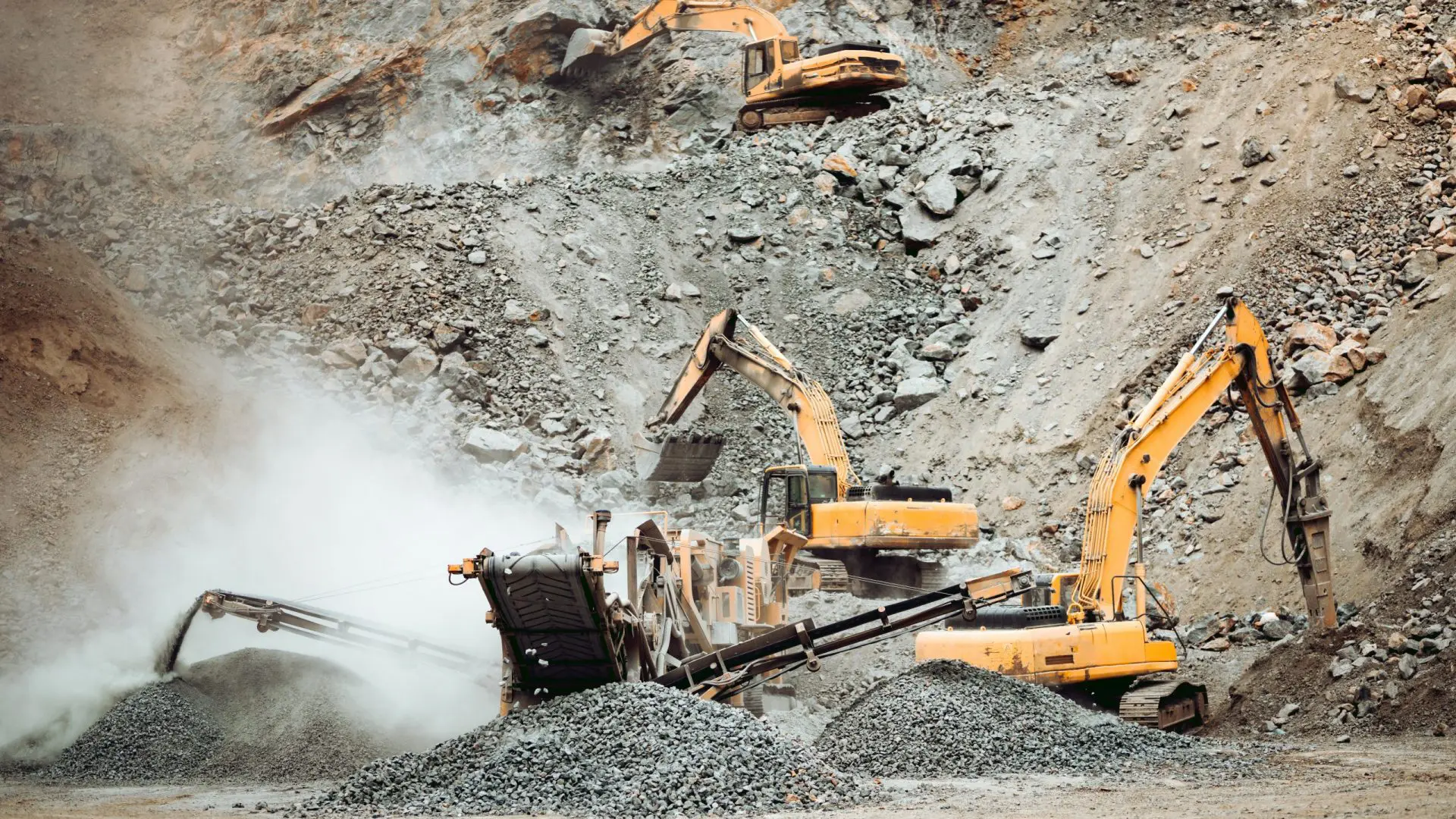
The reliance on electronics in renewable energy infrastructure is substantial. Solar inverters, wind turbine controllers, battery management systems, and smart grid components are all essential to managing and distributing renewable energy efficiently. However, as demand for these components grows, so do the issues of obsolescence, e-waste, and resource scarcity. The rising costs of raw materials: copper, lithium, and rare earth minerals, amplified by tariffs and supply chain disruptions, highlight the need for a repair-based approach to electronic sustainability. Recent reports indicate that U.S. copper prices are surging due to proposed tariffs, further increasing the cost of building and maintaining renewable energy infrastructure. A greater emphasis on repair, refurbishment, and component reuse can help mitigate these financial pressures.