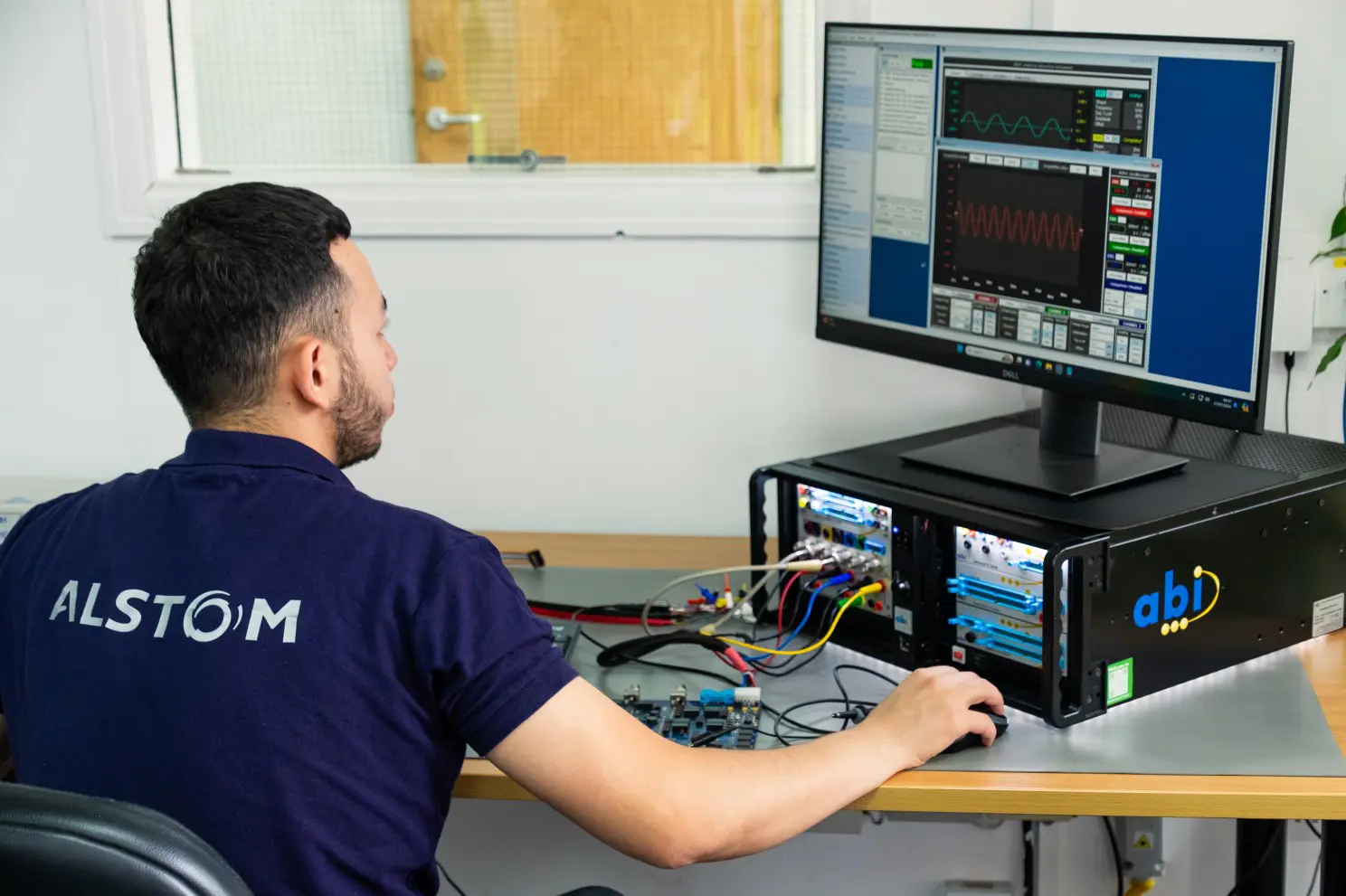
Keeping critical assets operational for decades while the electronics inside them face increasingly short support lifecycles was a central theme of IIOM and Rail Forum’s Staying on Track seminar on 19 October 2026. That mismatch can leave asset owners facing costly replacement programmes while much of their equipment remains serviceable, making a thorough assessment of repair and life-extension options essential. For ABI Electronics, an active IIOM member, the discussion reinforced why owners need the diagnostic skills and technical knowledge to evaluate those options and retain control of their maintenance decisions.
The challenge starts surprisingly early. New fleet programmes can take seven or eight years to reach final delivery, while relevant sub-assemblies may have commercial lifecycles of approximately three years. “I genuinely did not expect to be dealing with obsolescence at this early stage,” said James McCaffery, Stadler Rail’s UK Head of Programmes. Electronics can therefore face obsolescence before fleet introduction is complete.
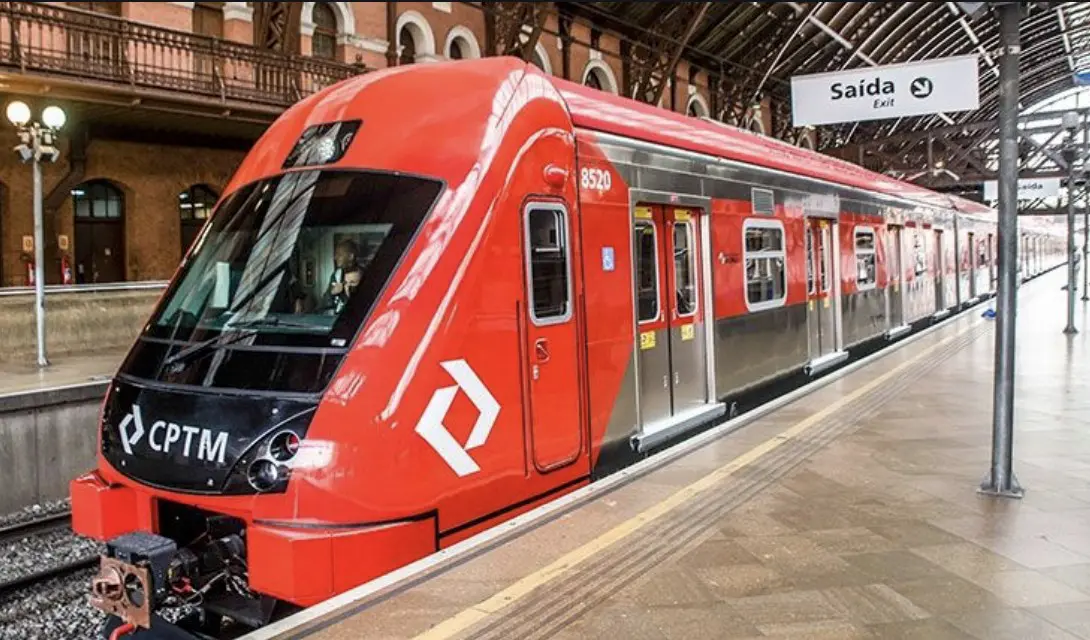
That disparity becomes harder to manage when assets remain in service for decades. Rob English, Obsolescence Manager at Transport for London, described fleets dating from the early 1970s, with Bakerloo line trains potentially continuing for another decade. Replacement carries substantial cost and disruption: renewing signalling on a line can require a nine-figure investment. “It’s vital that we spend that money wisely,” he said. During the Q&A, he also explained how lifts, escalators and fire systems share underlying electronic components, allowing knowledge from one asset group to alert others to emerging risks. His examples underline why understanding and sustaining existing electronics deserves serious consideration before committing to major replacement programmes.
Yet electronics sustainment too often remains an afterthought. When repair is poorly understood, an OEM’s end-of-support notice can be mistaken for proof that equipment is unrepairable. Fear-based replacement arguments deserve scrutiny. Without an unbiased technical assessment, asset owners risk scrapping recoverable assemblies and accepting costs they could have avoided.
During the Q&A, ABI’s Willian Santos asked when investing in repair skills and facilities could offer better long-term value than buying more spares. Deutsche Bahn’s Johanna Kratsch, Head of Obsolescence Management, whose team handles approximately 600 cases annually, explained that fleet size, remaining service life and potential redesigns all influence the decision. She cautioned against assuming that a last-time buy could cover ten, fifteen or twenty years of maintenance, because electronic sub-assemblies stock can deteriorate before it is needed.
Her answer points towards a practical business case: compare equipment, training and test development with replacement expenditure, turnaround and spare holdings over the remaining asset life. For instance, the ability to detect early reliability warnings creates time to build know-how to tackle the underlying issue before an urgent last-time-buy deadline restricts the choices.
Alstom’s approach shows where repair fits within that plan. Obsolescence Engineer Poulomi Chaudhuri described repair support as a key requirement alongside planned modernisation. Answering our question about retaining expertise across a potential 40-year fleet life, she outlined sustaining roadmaps integrating component information and repair capability, sometimes over individual product horizons of 15 or 20 years.